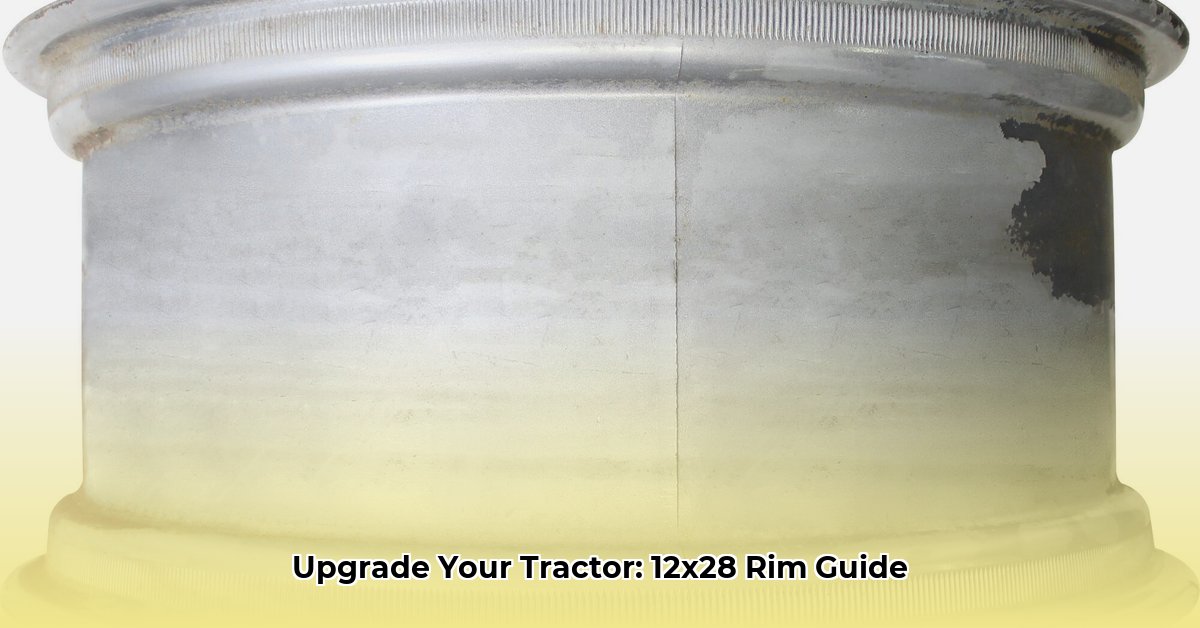
Finding the right 12x28 tractor rims is crucial for both safety and efficiency. This comprehensive guide provides a market overview and a step-by-step approach to selecting, purchasing, and maintaining these essential components. For more resources on tractor rims, check out this helpful website.
Decoding the 12x28 Tractor Rim Market: An Overview
The market for 12x28 tractor rims is dynamic, influenced by several factors. Pricing fluctuates based on raw material costs (steel, aluminum), manufacturing expenses, global demand (tied to agricultural trends), and supply chain issues. Technological advancements in alloys and manufacturing processes lead to lighter, stronger, and more corrosion-resistant rims. The remanufactured rim market offers a cost-effective alternative, but careful evaluation is needed. Environmental concerns are driving innovation in rim recycling and remanufacturing, creating more sustainable options. Finally, regional regulations impact safety standards and compliance.
Did you know that the global demand for agricultural machinery parts, including rims, is projected to experience significant growth in the next five years? This growth is fueled primarily by increasing food production demands worldwide.
Choosing Your Perfect 12x28 Tractor Rims: A Step-by-Step Guide
Selecting the right rims involves more than just matching the size; it's about ensuring your tractor's longevity and safety. Here's a detailed process to help you navigate this task:
Step 1: Compatibility and Tractor Specifications
Begin by consulting your tractor's owner's manual. It specifies the correct rim size, bolt pattern (the arrangement of bolt holes), and the maximum permissible weight. Ignoring these specifications can lead to serious safety hazards. Consider your tractor's typical workload; heavier tasks necessitate more robust rims.
Step 2: Understanding Key Rim Specifications
- Material: Steel rims are durable and widely available; aluminum rims are lighter but more susceptible to damage.
- Load Capacity: This indicates the maximum weight the rim can safely support. Choose a rim with a load capacity exceeding your tire's weight and the typical load your tractor carries.
- Bolt Pattern: This must precisely match your tractor's wheel hub for safe and secure attachment. A mismatch is dangerous
What's the most frequent cause of rim failure? Overloading, followed closely by improper installation and inadequate maintenance.
Step 3: Evaluating Rim Quality and Durability
- Visual Inspection: Thoroughly inspect the rim for cracks, dents, or rust. Even minor defects can compromise its integrity.
- Manufacturer Reputation: Research manufacturers and read reviews to assess their quality and customer service.
- Certifications: Look for certifications that indicate adherence to relevant safety standards.
Step 4: Sourcing Rims from Reputable Suppliers
- Original Equipment Manufacturers (OEMs): Purchasing directly from your tractor's manufacturer guarantees compatibility and high quality, though at a potentially higher price.
- Aftermarket Suppliers: These offer more choices and potentially lower prices, but careful vetting of their reputation and product quality is crucial.
- Used/Remanufactured Rims: These offer significant cost savings, but require a meticulous inspection to ensure structural soundness. Look for professionally refurbished options where possible.
True or False: Buying rims from unknown or unreliable suppliers can result in safety risks, performance issues, and financial losses. (Answer: True)
Step 5: Installation, Maintenance, and Troubleshooting
- Professional Installation: Professional installation is strongly recommended to avoid damage and maintain safety standards.
- Regular Inspections: Regularly inspect rims for any signs of wear or damage. Addressing small issues early prevents costly problems later.
- Tire Pressure: Maintain correct tire pressure (as per the manual) to prevent rim stress and damage.
- Troubleshooting: If you encounter rim damage (e.g., cracks or bends) seek immediate professional repair or replacement.
"Proactive maintenance is key to maximizing the lifespan of your tractor rims and avoiding costly repairs," states Dr. Anya Sharma, Agricultural Engineering Professor at Purdue University.
Comparing Options: New vs. Used/Remanufactured Rims
The following table summarizes the key differences to aid in your purchasing decision:
| Feature | New Rims | Used/Remanufactured Rims |
|---|---|---|
| Cost | Higher | Significantly Lower |
| Warranty | Typically included | Often limited or nonexistent |
| Condition | Perfect condition | May have imperfections; thorough inspection crucial |
| Reliability | High reliability | Reliability depends heavily on condition and refurbishment |
| Lifespan | Potentially longer | Lifespan varies greatly |
By carefully following these steps and considering all factors, you can confidently choose the best 12x28 tractor rims for your needs— ensuring both your safety and your tractor's peak performance. Remember to stay updated on industry advancements and manufacturing developments.